Question about Kwik poly

I'm not representing that i know anything, but read on wood boat forum a post by a 90+ year old chemical engineer who talked about using antifreeze to kill rot before sealing it up. His points were that: 1) It's not approved for the use, so you're on your own to use it safely; 2) It kills pretty much everything, including rot organisms; 3) It chases moisture like crazy (he gave an example of moisture it sucked out ot the air - left an open container in his lab and the weight increased dramatically in a short period of time), so it should follow the damp wood to its end. He said he had been using it in his wood boat repairs for years and at over 90, he must not have suffered too much from the toxicity (he always let it dry and sealed it in as I recall). I think he had some comments about the epoxy treatments, but it's been a while and I don't remember specifics.
 
I just Googled "wood boat forum antifreeze" - if you're interested, there are LOTS of articles on treating rot with antifreeze.
 
I've heard that before. I've also read that it inhibits the absorbtion of poly or epoxy. Ill check it out though.
 
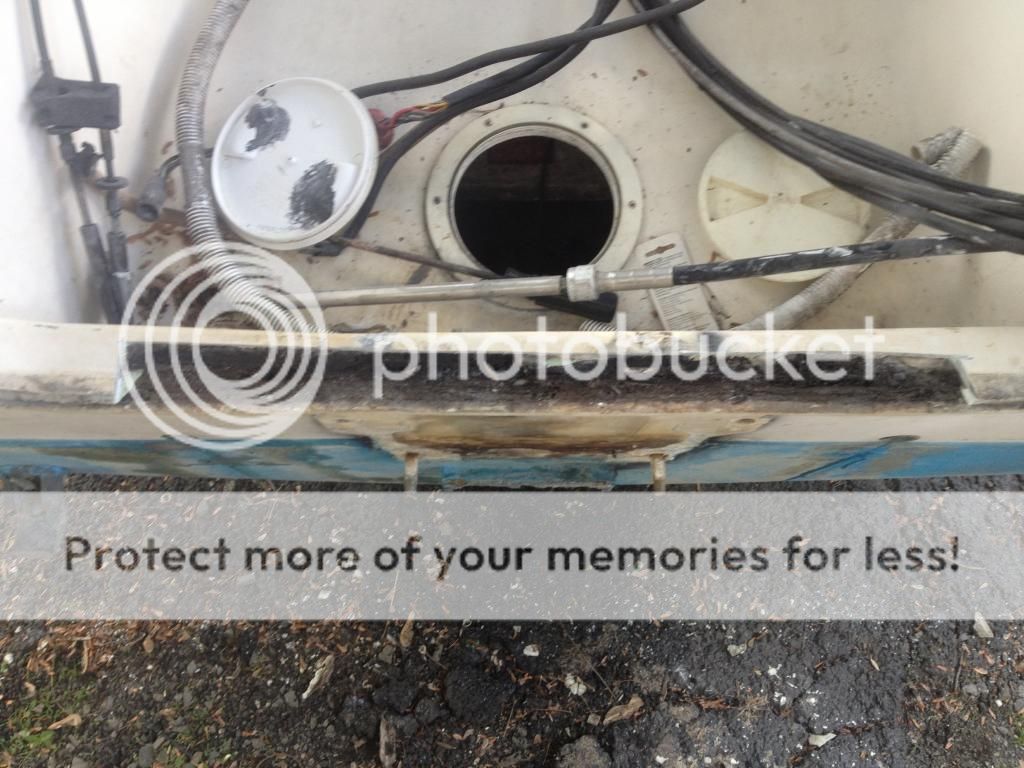
I finally figured out how to post pics. This is what I started with.
image_zpse40536e0.jpg

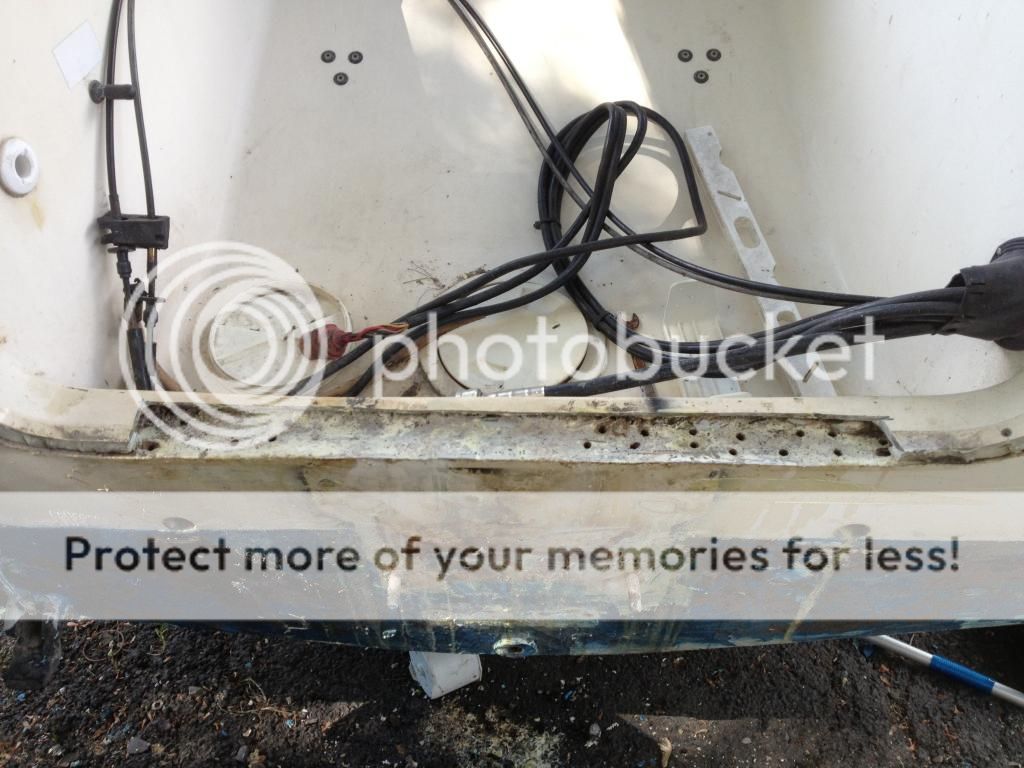
Now after a lot of drying and drilling.
image_zps442c73df.jpg

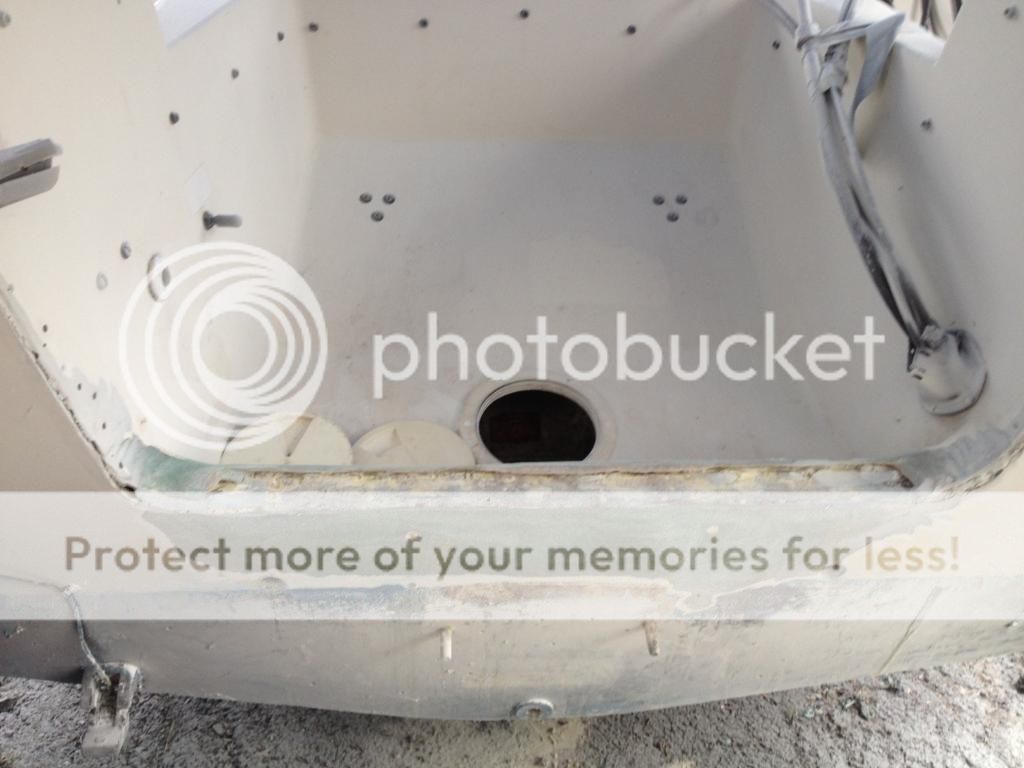
She's not done yet but a lot stronger.
 
Did some grinding yesterday.
image_zpsae012a25.jpg

image_zpsf354d16f.jpg


I'm going to open it up more. I'm thinking of glassing the whole seam with 1708 and gelcoating it. Can't believe how strong the kwik poly made it.
 
I've heard that before. I've also read that it inhibits the absorbtion of poly or epoxy. Ill check it out though.
I found this:

"Hi Trevlyns,

There's more than one type of anti-freeze so if you're going to use anti-freeze be sure to use the stuff that is made of Ethylene Glycol ***8211; not Propylene Glycol and not any other type of glycol. I prefer using pure Ethylene Glycol from a chemical supplier because it will not have any "water pump lubricant" or any other engine additives in it that might create problems with the epoxy's bond to the wood.

A 50/50 dilution of EG has been shown by West Systems to enhance their epoxy's bond with the wood they tested in on. I suspect the same effect will occur with most other epoxies. Dave Carnell (retired professional chemist) thinks this enhanced bonding occurs because the EG "opens the pores" in the wood thus allowing the epoxy to soak in deeper.

Ethylene Glycol is not a primer, sealer, coating or drying agent. After applying it you should give the wood plenty of time to dry out before using adhesives, finishes or sealants. Just finish the boat as if you didn't even use EG and you'll be fine.

I usually epoxy encapsulate the wood in my boats after treating it with EG because my theory is that this will effectively entrap the EG in the wood and provide the longest lasting protection against rot. Unfortunately I haven't been using it long enough to know if this is true or not, but from a logical basis it seems to "make sense".

On the other hand, you can just as easily leave the inside of your boat bare so you can repeat your EG treatments on occasion by brushing it on the inside of the hull every so often. You can even paint the inside of your boat with
common paints such as 100% acrylic latexes and oil-based enamels then re-treat through the paint because EG molecules are small enough to pass through the above types of paints. Note that this won't work if you use epoxy or polyurethane based coatings since these chemicals do not let the EG through.

Do not heat or spray Ethylene Glycol because these actions will vaporize it, then you might inhale enough to make you sick or worse. Just apply it at room temperature with a brush or roller and it won't hurt you permanently even if you splash it on your skin or get it in your eyes. Some people might feel a stinging sensation if this happens, but that irritation goes away when they wash it off.

I don't usually bother with protective gear while using EG because it does not absorb into the skin readily, and I do not drink it. Nevertheless I would strongly recommend that you use gloves and eye protection and keep it out of reach of children and pets so they don't poison themselves accidentally. Better safe than sorry, right?"

Here's the link: http://www.boatdesign.net/forums/fi.../ethylene-glycol-wood-preservative-17739.html

Make me wonder, if repairing a smaller area of wood core on say, the transom, it wouldn't be easier to remove a small amount of the damaged wood. Then, treat with EG and pour on the epoxy?
 
Last edited:
I'm kind of figuring it out as I go along. I'm thinking that maybe I should've just cut it all out with a chainsaw and poured it. It feels strong so far but we'll see. It would suck if once I'm done glassing it and gelcoating to have it be weak.
I built up the area between the cap and top of the transom with 1708. I'm going to grind the whole seam down and glass it together. Then I'll put the engine on and run it. Its been tough budgeting my time between my Wellcraft and Grady.
image_zpsc5798044.jpg
 
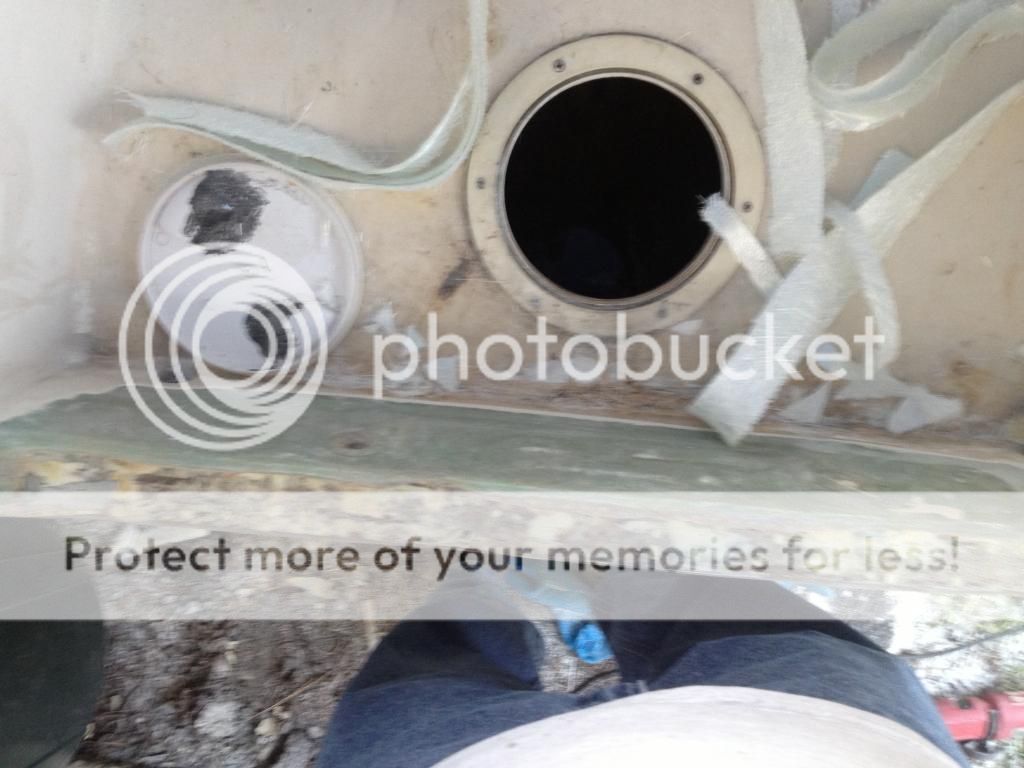
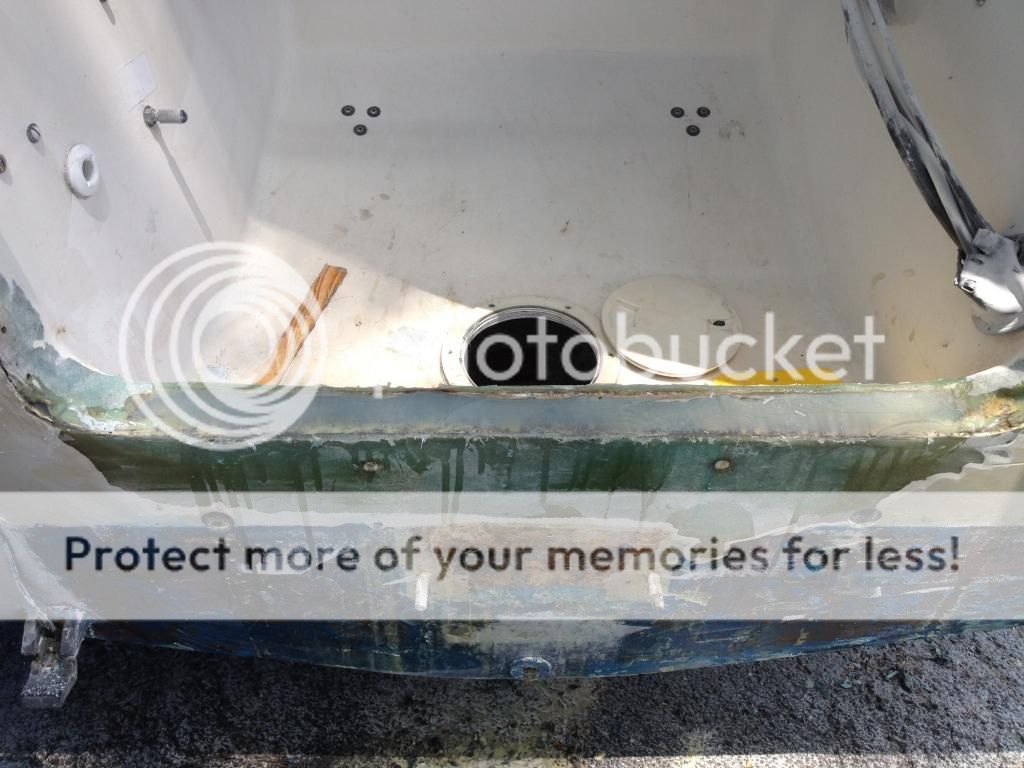
I decided to cut open the transom cap. I found the wood going up to the top of the transom was in worse shape than expected. I decided to gut the transom and go with seacast or another pourable material. It stinks because I had to cut out the glasswork and repaired wood.
 
I decided to cut open the transom cap. I found the wood going up to the top of the transom was in worse shape than expected. I decided to gut the transom and go with seacast or another pourable material. It stinks because I had to cut out the glasswork and repaired wood.
OUCH! That KWIK POLY treated wood is some TOUGH stuff.
 
Back
Top